
#EFIC2027 Scientific Programme
Under the theme “Building Bridges in Pain: Thriving through Communication“, Prof. Daniel Ciampi de Andrade is leading an excellent, multidisciplinary Scientific Programme Committee currently hard-at-work building an ambitious programme of lectures, workshops, masterclasses and networking initiatives on acute, chronic, cancer and non-cancer pain. At #EFIC2027, we aim to explore the many dimensions of communication and how they can pave the way for more effective approaches to pain management. Between the different areas of our brains, between body and mind, between people with pain and caregivers, with non-verbally communicating people, with researchers, with policy makers, and with society.
To find out more about the #EFIC2027 Congress Theme and Scientific Programme, please watch the video below with Chair of the Scientific Programme Committee Daniel Ciampi de Andrade:
#EFIC2027 programme at a glance
Provisional structure and subject to change. Times shown in local time, Glasgow (BST).
| Time | Wednesday21 April 2027 | Thursday22 April 2027 | Friday23 April 2027 |
|---|---|---|---|
| 08:00-09:00 | Industry workshopsECR activities | Industry workshopsECR activities | Industry workshopsECR activities |
| 09:00-10:15 | Plenary session | Workshops / Debates | Workshops / Debates |
| 10:15-10:45 | Coffee break | Coffee break | Coffee break |
| 10:45-12:00 | Workshops / Debates | Plenary session | Plenary session |
| 12:15-13:15 | Lunch breakExhibition and poster viewingIndustry sessions | Lunch breakExhibition and poster viewingIndustry sessions | Lunch breakExhibition and poster viewingIndustry sessions |
| 13:15-14:30 | Focus sessionsGuided poster walks | Focus sessionsGuided poster walks | Focus sessionsGuided poster walks |
| 14:45-16:00 | WorkshopsMasterclasses | WorkshopsMasterclasses | WorkshopsMasterclasses |
| 16:00-16:30 | Coffee break | Coffee break | Coffee break |
| 16:30-17:45 | WorkshopsMasterclasses | WorkshopsMasterclasses | WorkshopsMasterclasses |
| 18:00-19:00 | Plenary session | Plenary session | Plenary session |
| 19:00-20:00 | Opening ceremony and welcome reception | Closing ceremony, awards and closing reception |
Programme
Session formats explained
The #EFIC2027 programme combines several session types, each with a different purpose. Here is what to expect when you read the programme at a glance, and how to choose the right format if you are planning a submission.
Plenary sessions
Keynote lectures and panels delivered to the full congress, including the Felicia Cox Plenary Lecture and award lectures spanning basic science, clinical medicine, nursing, and psychology.
Workshops
Community-proposed sessions built around a theme, usually with several speakers and time for discussion. Workshops are the main way the pain community shapes the scientific programme.
Masterclasses
In-depth, skills-focused teaching led by an expert, designed for practical learning and direct application in research or clinical practice.
Debates
Structured sessions in which speakers argue opposing views on a contested or unresolved question in pain science, with the audience invited to weigh the evidence.
Focus sessions
Shorter thematic sessions that spotlight a specific topic or emerging area, offering a concentrated look at recent developments.
Guided poster walks
Facilitated tours of selected posters, led by a chair, giving presenters and delegates focused time to discuss the research in person.
Industry sessions
Sessions organised by industry partners and clearly distinguished from the independent scientific programme. Content follows the relevant industry codes and is non-promotional.
Early career activities
Sessions and networking for early career researchers and clinicians, including the Rising Stars session and dedicated time to present work and build connections.
Formats and timings are provisional and subject to change.
Scientific scope
Topics shaping the #EFIC2027 programme
Under the theme "Building Bridges in Pain: Thriving Through Communication", we welcome workshop and abstract submissions across the full breadth of pain science. The 34 congress topics are grouped into five thematic areas, used across both submission systems.
Basic and translational research
Peripheral and central mechanisms, neuroimmune and inflammatory pathways, neuropathic pain mechanisms, imaging, biomarkers, and the transition from acute to chronic pain.
Clinical research and pain syndromes
Neuropathic pain, musculoskeletal and low back pain, headache and orofacial pain, cancer-related pain, postoperative pain, and pain in special populations.
Treatments and interventions
Pharmacological and emerging therapies, interventional procedures, neuromodulation, rehabilitation and exercise, digital health, and multimodal management.
Psychological and social aspects
Cognitive, emotional, and behavioural factors, psychological therapies, self-management and patient education, and the social determinants of pain and inequities.
Health systems and policy
Pain education and professional training, models of care and implementation science, and pain epidemiology, public health, and policy.
Plenary programme
A first look at the #EFIC2027 plenary line-up
Keynotes, panels, the Felicia Cox Plenary Lecture, and the early-career Rising Stars session, spanning basic science, clinical medicine, nursing, and psychology. Here is an early look at who you will hear in Glasgow.
 Plenary Keynote
Rohini Kuner
Germany
Dissecting the mechanisms behind cortical neuromodulation
 Felicia Cox Lecture
Dawn Dowding
United Kingdom
Digital decision support for pain: reducing noise without losing clinical judgement
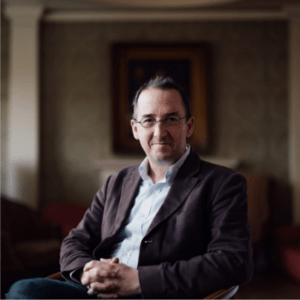 Plenary Keynote
Ben Seymour
United Kingdom
The predicting brain in pain
 Plenary Panel
Geert Crombez
Belgium
Fear, attention, and validation in modern pain psychology
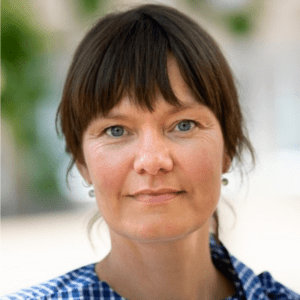 Plenary Keynote
Lene Vase
Denmark
How expectations shape symptoms, treatment outcomes, and clinical trials
 Plenary Keynote
Greg Weir
Scotland
Messages from the periphery: how the body speaks pain to the brain
More speakers and sessions to be announced.
#EFIC2027 CME/CPD Accreditation
An application will be submitted to the European Accreditation Council for Continuing Medical Education (EACCME®) for CME accreditation of the 2027 EFIC Congress. Previous editions of the EFIC Congress have successfully received CME accreditation, and we expect confirmation of accreditation for the current congress by beginning of April 2027. Once accreditation has been granted, the number of CME credits will be announced and participants will be able to claim their credits in accordance with EACCME® regulations.
Pain in Europe XV
Be part of #EFIC2027 in Glasgow
Join the largest European scientific congress on pain, 21 to 23 April 2027 at the Scottish Event Campus. Registration opens soon, so sign up now to be the first to hear when it does.
Workshop submission closes 7 September 2026. Abstract submission and financial aid applications close 30 September 2026.