
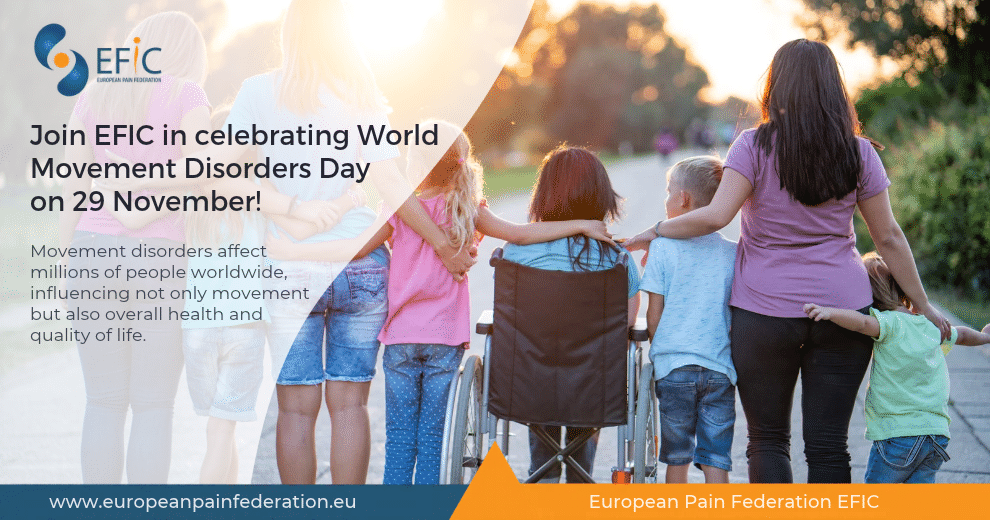
On 29 November, we mark World Movement Disorders Day, an annual awareness initiative led by the International Parkinson and Movement Disorder Society (MDS) and its partners to raise awareness of movement disorders and their impact on people’s lives.
This year’s theme, “More common than you think”, highlights the wide range of movement disorders and aims to bring greater visibility to the people affected by these conditions.
Understanding Movement Disorders
Movement disorders are neurological conditions that affect a person’s ability to control their movements. They include Parkinson’s disease, dystonia, tremor, ataxia, and other conditions that can cause slowed or reduced movement, involuntary movements, muscle contractions, stiffness, or difficulties with coordination and balance.
However, their impact extends beyond movement. People living with movement disorders may also experience non-motor symptoms, including sleep disturbances, cognitive difficulties, mental health problems, and pain, which can significantly affect their daily lives and quality of life.
The scale of this challenge is reflected in the growing prevalence of conditions such as Parkinson’s disease. According to the World Health Organization (WHO), more than 8.5 million people worldwide were living with the condition in 2019, with its prevalence having doubled over the preceding 25 years.
The Connection Between Movement Disorders and Pain
Pain is an important but sometimes overlooked aspect of movement disorders. In Parkinson’s disease, for example, pain is recognised as a non-motor symptom. Such symptoms can be less visible but may have a substantial impact on everyday life and quality of life. Pain is also a common and sometimes disabling feature of dystonia, where involuntary muscle contractions and abnormal postures can contribute to pain and affect movement and daily functioning.
Recognising and addressing pain alongside motor and other non-motor symptoms is therefore an important part of comprehensive care. A multidisciplinary approach, involving healthcare professionals from different disciplines, can help address the complex needs of people living with movement disorders.
EFIC On the Move: Supporting Individual Needs in Physical Activity
The diverse symptoms and challenges associated with movement disorders highlight the importance of individualised approaches to care. Movement and physical activity also have an important place in pain prevention and management. Through the On the Move campaign, EFIC raises awareness of the benefits of physical activity for people living with chronic pain, encouraging approaches that are safe, gradual, and adapted to individual abilities. The initiative highlights how staying active can support physical function, overall health, and quality of life.
Explore the EFIC On the Move campaign and its resources here.
Raising Awareness and Improving Care
World Movement Disorders Day provides an opportunity to improve understanding of movement disorders, highlight the challenges faced by people living with these conditions, and encourage greater recognition of their diverse symptoms and care needs.
On this occasion, the European Pain Federation EFIC joins the campaign to raise awareness and advocate for better care and support for people affected by movement disorders.
Learn more about the campaign and explore the available resources here.