
About World Spine Day
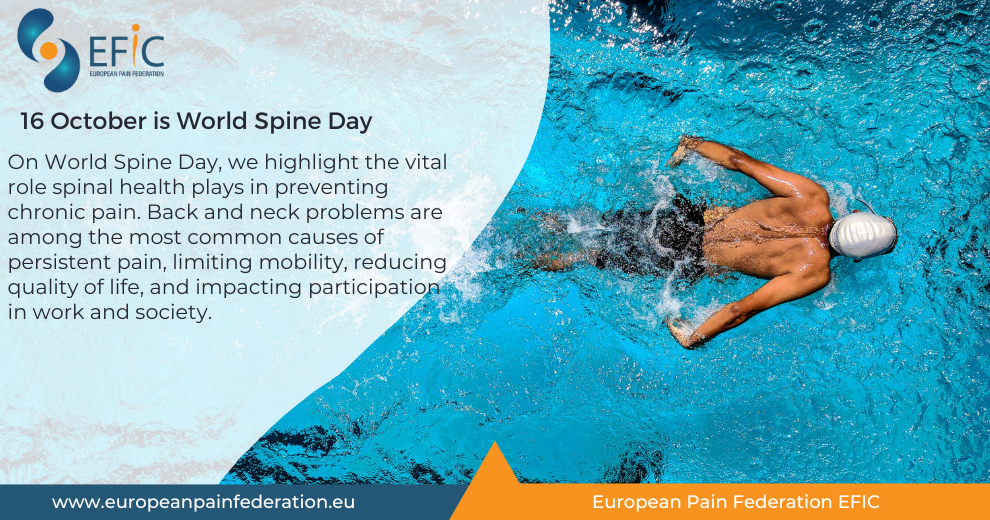
October 16 is World Spine Day, the annual global initiative dedicated to raising awareness of spinal health and the impact of spinal pain and disability.
The 2026 theme, “Spine Health for Life”, highlights the importance of protecting and supporting spinal health throughout the life course. The campaign recognises spinal health as fundamental to mobility, independence, and meaningful participation at all stages of life.
Spinal health can be influenced by a range of factors, including movement and physical activity, ergonomics and occupational wellbeing, mental and emotional health, nutrition and lifestyle, safe environments, and access to evidence-informed care. As populations age and musculoskeletal conditions continue to contribute substantially to disability worldwide, World Spine Day emphasises the importance of prevention, early intervention, and rehabilitation in preserving function and reducing avoidable disability.
The campaign also highlights that supporting spinal health goes beyond individual action. Governments, health systems, workplaces, schools, and community organisations all have a role to play in creating environments that support spinal health and ensure access to timely care and rehabilitation.
Official resources and toolkits for 2026 are freely available at: https://www.worldspineday.org/.
EFIC Initiatives on Pain & Spinal Health
At EFIC, we recognise the deep and oftentimes underappreciated link between spinal conditions and pain, both acute and chronic. Spinal pain is one of the most common contributors to chronic pain syndromes, and its effective management is essential for reducing suffering and improving functional outcomes.
In 2026, EFIC continues to promote cross-disciplinary collaboration between pain specialists, rehabilitation professionals, neurologists, and spine health experts to integrate evidence-based spinal care into broader pain management frameworks.
The EFIC Academy Education Platform includes modules and learning resources concerning spinal pain, posture assessment, ergonomics, and rehabilitation strategies for spinal pathologies. These materials support clinicians, physiotherapists, nurses, and other health professionals in delivering holistic, spine-informed pain care.
Additionally, through the Societal Impact of Pain (SIP) Platform, EFIC advocates for policies that recognise pain, including musculoskeletal disorders, as a key contributor to disability and chronic pain burden.
EFIC On the Move – Linking Physical Activity and Pain Prevention
EFIC On the Move encourages healthcare professionals to support people living with pain in becoming and remaining physically active in ways that are appropriate, manageable, and sustainable.
The initiative offers a range of resources for healthcare professionals, people living with pain, and the general public. These include:
- Walking for Chronic Pain: Why It Matters, What We Know and How to Get Started, a position paper published in September 2026;
- Walking for Chronic Pain infographic highlighting walking as a safe and accessible way to gradually build physical activity into everyday life;
- Five Key Recommendations to Promote Physical Activity for Individuals with Chronic Pain, based on the EFIC position paper “Physical activity should be the primary intervention for individuals living with chronic pain”;
- A Myth-Busters leaflet addressing common misconceptions about pain prevention and translating evidence into practical steps that can be taken at work or at home.
The resources emphasise gradual, individualised approaches to physical activity and encourage people to start from their current level, build activity progressively, and choose forms of movement that feel manageable and meaningful.
Our call to action remains:
Healthcare professionals should advise patients on the importance of physical activity, empower them with knowledge in accessible language, and support them with environments and care plans that make sustainable lifestyle changes possible.
If you wish to use EFIC On the Move materials for your own campaign activities or request a translation, please contact: secretary@efic.org
Why Spinal Health Matters for Pain Management
-
Etiological overlap: Many chronic pain conditions (e.g. radiculopathy, degenerative disc disease, spinal stenosis) originate from spinal structures. Without proper spine-focused diagnosis and management, pain may persist or worsen.
-
Prevention and early intervention: Simple measures, like correct posture, ergonomics, physical activity, avoiding prolonged static postures, can reduce the risk of chronic spinal pain.
-
Rehabilitation synergy: Spinal rehabilitation (e.g. physiotherapy, movement therapies, ergonomic education) is an essential component in multimodal pain treatment pathways.
-
Economic & societal impact: Spinal pain contributes heavily to work incapacity and healthcare costs; mitigating its burden helps both patients and societies as a whole.
-
Key facts: Low back pain is a leading cause of disability, and an estimated one billion people worldwide experience some form of spinal pain.
How You Can Get Involved & Take Action
-
Use the 2026 World Spine Day toolkit and resources to host awareness events, educational sessions, or outreach campaigns.
-
Incorporate spinal health messaging and screening in your pain clinics or patient interactions.
-
Advocate for employer and institutional ergonomics, workplace posture policies, and supportive design of workstations.
-
Encourage patients and communities to engage in daily posture checks, movement breaks, back-strengthening exercises, and ergonomic habits.
-
Share your stories under #WorldSpineDay and #SpineHealthForLife to help spread awareness.