

#EFIC2027 Plenary Sessions
Meet the plenary speakers for the EFIC Congress 2027 – Pain in Europe XV, taking place in Glasgow from 21 to 23 April 2027. The plenary programme features keynotes, panel discussions, the Felicia Cox Plenary Lecture, and the ECR Rising Stars session.
Mechanisms Matter: Fear, Attention, and Validation in Modern Pain Psychology
-
 Geert CrombezBelgiumRead bio
Geert Crombez is Professor of Health Psychology in the Department of Experimental-Health Psychology at Ghent University (Belgium). His research concerns the psychology of (chronic) illness, in particular the role of psychological and social variables on symptom perception, disability and suffering, and its implications for clinical practice. He focuses upon the development of integrative models of symptom perception, disability and suffering that are built primarily around the dynamic nature of goals and self-regulation.
-
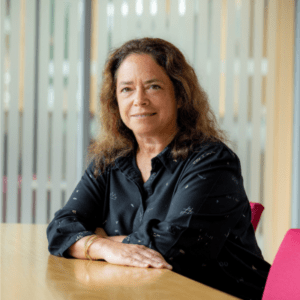 Tamar PincusUnited KingdomRead bio
Tamar is a Professor in Health Psychology. Her research into psychological aspects of chronic pain spans 30 years, has been cited by national guidelines, and changed practice on the ground. She was the Director of the Research Centre for the study of Pain and Well-Being at Royal Holloway, until her move to the University of Southampton, and she is a core member of the Consortium to Research Individual, Interpersonal and Social Influences in Pain (CRIISP), which focuses on how people perceive pain and how others affect their pain, as well as wider social and environmental influences on pain.
Her research includes experimental approaches to explore psychological mechanisms in pain, observational studies to measure risk over time, trials to test effectiveness, and qualitative work to examine the thoughts and beliefs of people living with pain and those who are part of their life. Examples include investigations of cognitive biases in people living with pain, the psychological predictors for poor outcome in low back pain, and the study of clinicians' beliefs and behaviours and their effect on patients with pain, especially in reference to effective reassurance and return to work. Her practical work has focused on training practitioners in effective communication skills and fostering awareness of patients' psychological needs and concerns.
-
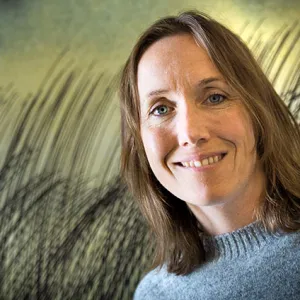 Katja BoersmaSwedenRead bio
Katja Boersma is Professor of Psychology at the Center for Health and Medical Psychology, Örebro University, Sweden. Her research interests revolve around understanding the role of psychological processes in the experience of persistent pain and its consequences. With diverse methodologies she studies individual differences in, for example, emotional suffering, functional disability, use of prescription medication, and sick leave. An overarching goal is to develop and improve upon methods for the prevention and treatment of chronic pain problems.
 Plenary Keynote
It is all about networks?: Dissecting the mechanisms behind the cortical neuromodulation?
Rohini KunerGermany
Read bioRohini Kuner is a Professor of Pharmacology and Toxicology in the Medical Faculty of Heidelberg University, Germany. She received a PhD in Pharmacology and Toxicology at the University of Iowa (USA) in 1995, gained postdoctoral experience at the Max Planck Institute for Medical Research (Heidelberg), led a DFG-financed independent junior group, and has been a full Professor since 2006 and Institute Director since 2009 at Heidelberg University.
Her research spans cellular, molecular, and network mechanisms of plasticity in chronic pain. Her work has elucidated the molecular basis of structural remodelling of neural circuits over the transition to chronic pain, identified novel molecular mediators of tumour-nerve interactions, and bridged the fields of non-pharmacological neuromodulation-based therapies and neurobiology. She leads a large DFG-financed consortium on chronic pain (www.sfb1158.de), spanning more than 40 preclinical and clinical research groups, and has been awarded two ERC Advanced Grants. She teaches Medical Pharmacology at Heidelberg University and has mentored over 70 scientists at diverse career stages.
 Plenary Keynote
The Quest for Pain Biomarkers in Musculoskeletal Pain: Using Basic Science in a Clinical Context
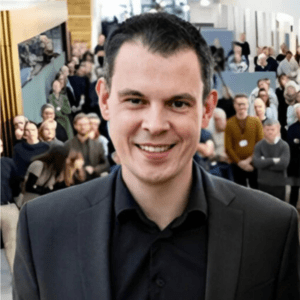
Kristian PetersenDenmark
Read bio Watch interviewDr Petersen received his Master of Science degree in 2011 and a PhD in neuroscience in 2014. In 2021 he received his higher doctorate degree in medicine based on his work profiling patients with osteoarthritis and linking these profiles to clinical treatment outcomes. His long-term mission is to develop the concept of "Personalised Mechanistic Pain Medicine", providing the correct treatment to the right patient in a fast, evidence-based, and safe manner. He studies factors that modulate pain mechanisms and aims to target these mechanisms using tailored interventions to provide pain relief for patients with chronic pain.
Dr Petersen has published more than 100 scientific peer-reviewed manuscripts. He serves the International Association for the Study of Pain (IASP) as a member of the Fellowships, Grants, and Awards Working Group and chairs the Musculoskeletal Special Interest Group under IASP. He is a member of the Scientific Programme Committee for the 13th Congress of the European Pain Federation.
 Felicia Cox Plenary Lecture
Digital Decision Support for Pain: Reducing Noise Without Losing Clinical Judgement
Dawn DowdingUnited Kingdom
Read bioDawn Dowding is Professor in Clinical Decision Making and Head of the Division of Nursing, Midwifery and Social Work, School of Health Sciences, University of Manchester, UK. She is a health services researcher and nurse with expertise in healthcare decision making and nursing informatics. Her particular interest is the development and evaluation of decision support tools, and the application of health information technology to assist decision making in practice.
She is an elected Fellow of the International Academy of Health Sciences Informatics (IAHSI) and the American Academy of Nursing, a Fellow of the British Computer Society, a member of the Digital Nursing forum at the Royal College of Nursing, and Vice Chair for Advisory Groups for the International Medical Informatics Association Nursing Group. Dawn completed her registered nurse training at St Bartholomew's College of Nursing and Midwifery, London, holds a BSc (Hons) in Psychology with Nursing Studies from City University, London, and a PhD in Psychology and Nursing from the University of Surrey, UK.
 Plenary Keynote
The Predicting Brain in Pain
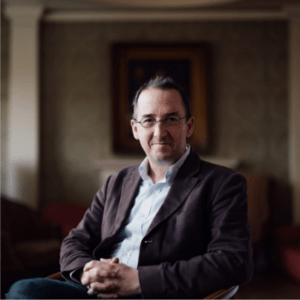
Ben SeymourUnited Kingdom
Read bioBen Seymour's lab addresses the computational and systems neuroscience of pain. The research is part theoretical, building realistic models of neuronal information processing to understand pain perception and behaviour, and part experimental, testing these theories using a range of methodologies, especially fMRI. His research aims to develop new technology-based therapies for treating pain in clinical populations.
He is a Wellcome Senior Clinical Fellow at Oxford University, working jointly at the Wellcome Centre for Integrative Neuroimaging and the Oxford Institute for Biomedical Engineering, and a visiting researcher at ATR Labs (Kyoto). He is a Fellow at the Alan Turing Institute with an interest in safe AI control systems, and an honorary consultant neurologist at Oxford University Hospitals NHS Trust with an interest in behavioural homeostasis and sleep, pain, and fatigue neurology.
Neuropathic Pain
Panel on Neuropathic Pain: What is there and what comes Next? Voices from Basic Science, Neurophysiology, and from the bedside / guideline
-
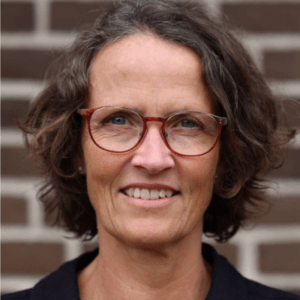 Nanna Brix FinnerupDenmarkRead bio
Nanna Finnerup received her medical degree from Aarhus University in 1993. After medical training in Copenhagen, she started clinical neuropathic pain research in 1998. She is Professor in neuropathic pain research and head of the Danish Pain Research Center, Aarhus University, Denmark. She was a member of NeuPSIG from 2010 to 2022 and served as treasurer and chair, and was section editor of the journal Pain from 2015 to 2024. She is past president of the Scandinavian Association for the Study of Pain (SASP) and has been a member of the IASP task forces on Classification of Pain Diseases (ICD-11), Cannabinoids, and the Definition of Pain.
She has authored more than 230 peer-reviewed papers. Her main research interest is the pathophysiology and therapy of neuropathic pain. Current research areas include painful chemotherapy and diabetic polyneuropathy, postsurgical neuropathic pain, spinal cord injury pain, cerebral palsy, radiculopathy, complex regional pain syndrome, and Guillain-Barre syndrome, as well as the neurophysiological and molecular assessment of pain mechanisms, placebo mechanisms, neuropharmacology, stratified clinical trials, and systematic reviews.
-
 Rafael MaldonadoSpainRead bio
Rafael Maldonado carried out research on pharmacology for 11 years in France and the USA and, since 2000, has been Full Professor of Pharmacology at Universitat Pompeu Fabra (Barcelona, Spain), where he founded the Laboratory of Neuropharmacology. His research focuses on the neurochemical basis of affective disorders, pain, drug addiction, and eating disorders, with a particular focus on the development of novel behavioural models.
He has a large background in the study of pain processes, particularly neuropathic pain, and extensive experience in collaborative programmes funded by the European Commission, the Human Frontier Science Program, the National Institutes of Health (USA), and private companies. He coordinated the FP7 project LCP NeuroPain, which generated new neuropathic pain models of high predictive value for the preclinical evaluation of novel treatments.
-
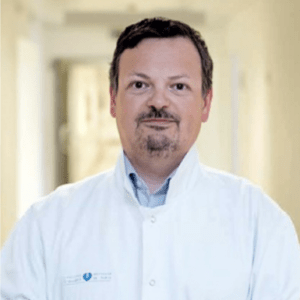 Jean-Pascal LefaucheurFranceRead bio
Neurologist and Professor of Clinical Neurophysiology, Head of the Clinical Neurophysiology Department at Henri Mondor University Hospital, Assistance Publique - Hopitaux de Paris, Creteil, France. Director of the Research Unit UR 4391, Faculty of Medicine, Paris-Est University, Creteil, France, and President of the French Society of Clinical Neurophysiology.
His clinical and research expertise covers neurophysiological investigation, clinical management, and therapeutic neuromodulation for patients with chronic pain syndromes, particularly those related to peripheral nerve or neuromuscular disorders. He has 424 articles indexed in PubMed (454 in Scopus, h-index 82).
-
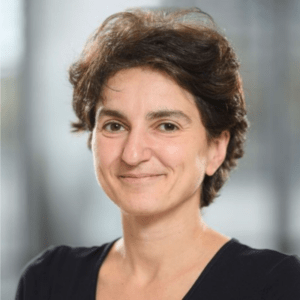 Nurcan ÜçeylerGermanyRead bio
Prof. Nurcan Üçeyler is a board-certified neurologist, pain specialist, and geriatrician based at the Department of Neurology, University Hospital Würzburg, Germany, where she chairs the Neuromuscular Unit and holds a permanent full professorship for "Neuromuscular Neurology and Pain". Throughout her career she has combined clinical and scientific work, focusing on the pathophysiology of neuropathic pain and neuropathies in clinical studies, animal models, and fully human multidimensional in vitro cell culture systems.
Her major interests are the pathophysiology of nerve fibre de- and regeneration and of nerve fibre sensitisation as the basis for neuropathic pain, and the mechanisms underlying large and small fibre pathology at the neuro-cutaneous unit. Using translational approaches from bed to bench and back, she has made major contributions to the scientific literature, including on fibromyalgia, small fibre neuropathies, and Fabry disease.
What guidelines do not tell you and how to use them wisely
-
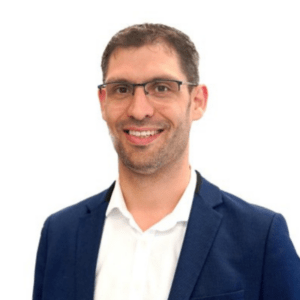 Xavier MoissetFranceRead bio
Xavier Moisset is Professor of Neurology at the University of Clermont Auvergne and a clinician at the Clermont-Ferrand University Hospital. He is a member of the NeuroDol laboratory and has a particular interest in the management of headache and neuropathic pain. He is a member of the Board of Directors of the French Chapter of the IASP and of the French Headache Society, and the French representative for pain and headache in the European Academy of Neurology (EAN).
 Plenary Keynote
How expectations shape symptoms, treatment outcomes, and clinical trials
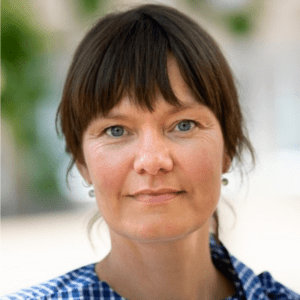
Lene VaseDenmark
Read bio Watch interviewLene Vase is a Professor of Psychology and Placebo Effects at Aarhus University. Her research has identified key aspects of expectations and clarified how they influence treatment outcomes across both pharmacological and non-pharmacological interventions, highlighting ways to optimise clinical trials. Her work has been supported by the European Commission, the Independent Research Fund Denmark, and the Lundbeck Foundation. She has published more than 100 peer-reviewed articles in leading journals, including The Lancet and The BMJ, and has served as an editor for PAIN and as a member of the Scientific Committee for the World Congress on Pain.
 Plenary Keynote
Messages from the brain: oscillatory brain activity in pain and pain relief
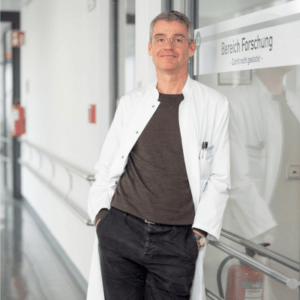
Markus PlonerGermany
Read bio Watch interviewMarkus Ploner is a Professor of Human Pain Research at the Technical University of Munich (TUM) and head of the Interdisciplinary Center for Pain Medicine of the TUM University Hospital. He studied Medicine in Cologne and Vienna, trained as a neurologist at Heinrich-Heine University Dusseldorf, and was a research fellow at the University of Oxford. Motivated by his clinical experience, he aims to understand how the brain translates threat into pain, and what goes wrong in this process when patients experience ongoing pain without appropriate threat. He also investigates how non-invasive neuromodulation approaches can modulate this process.
 Plenary Keynote
Pain as Communication: From Sensory Coding to Chronic Disease
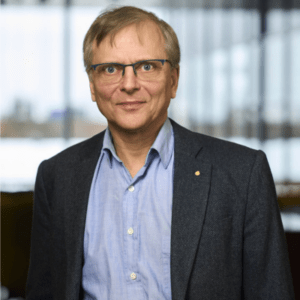
Patrik ErnforsSweden
Read bioPatrik Ernfors studied molecular biology at the University of Uppsala and received a PhD in neuroscience at Karolinska Institutet, Stockholm, Sweden. After postdoctoral training at the Whitehead Institute, MIT, USA, he returned to a faculty position at Karolinska Institutet in 1993. Among many academic functions, he has served as head of the Department of Medical Biochemistry and Biophysics and as a member of the Board of Research at Karolinska Institutet. His honours include the Fernstrom Prize, the Anders Jahre Medical Research Award to young scientists, the Goran Gustafsson Prize in Medicine, and the Fifth Prize of the Dargut and Milena Kemali Foundation for the Neurosciences.
 Plenary Keynote
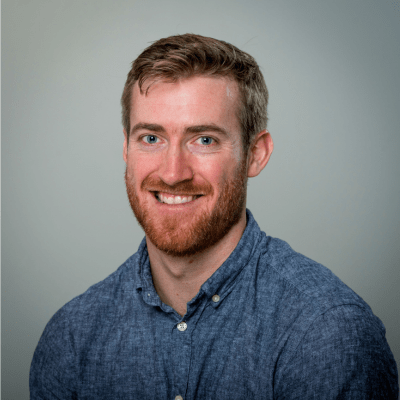
Messages from the Periphery: Decoding and Silencing Pain Pathways
Greg WeirScotland
Read bioDr Greg Weir is a Senior Research Fellow at the University of Glasgow, where he leads a research programme investigating the neurobiology of pain. He established his laboratory in Glasgow following doctoral training with Prof Zameel Cader and postdoctoral research with Prof David Bennett at the University of Oxford. His group uses molecular and genetic approaches to uncover the fundamental drivers of neuropathic pain and to develop new therapeutic strategies.
Rising Stars
Lost in Translation: When Sensory Neurons Stop Decoding the Signal to Stop Hurting
-
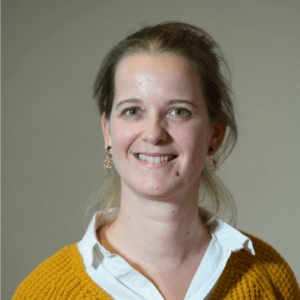 Hanneke WillemenNetherlandsRead bio
Chronic pain is a major and under-recognised global health problem that has historically received limited research attention. This gap motivated Hanneke Willemen to pursue a PhD in neuro-immunology at Utrecht University (the Netherlands), where she investigated the molecular pathways that drive chronic pain. Towards the end of her PhD she identified a previously uncharacterised protein, ATPSc-KMT, which promotes the transition to chronic pain, and later, in the lab of Professor Falnes at Oslo University (Norway), discovered its function as a mitochondrial methyltransferase.
Supported by a Veni fellowship from the Dutch Research Council, she investigated how mitochondrial and metabolic alterations shape chronic pain in pre-clinical models, showing that transient peripheral inflammation induces changes in sensory neurons that drive the switch from acute to chronic pain, and that correcting this imbalance reverses pain in mice. With a Vidi fellowship, she is now taking a translational step, investigating how altered neurometabolism in humans contributes to post-viral chronic pain, including Long Covid and post-herpetic neuralgia.
Feeling Less Is Not Always Better: Brain Networks, Self-Injury, and What fMRI Reveals About Who Develops Chronic Pain
-
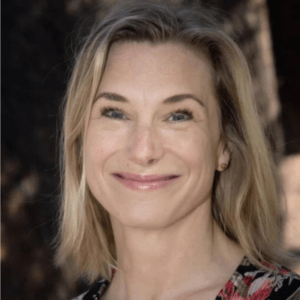 Maria LalouniSwedenRead bioWatch interview
Maria Lalouni is a clinical psychologist, associate professor, and team leader for a paediatric pain and clinical psychology team within Karin Jensen's research group at Karolinska Institutet. She is particularly interested in the intersection between pain and psychiatry, focusing mainly on functional abdominal pain disorders, self-injury behaviour, and anxiety disorders. Her overall aim is to improve psychological interventions using clinical, experimental, and neuroimaging methods.
NaV1.8 endocytic complex, a dynamic regulatory ballet
-
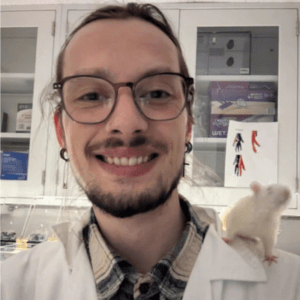 Nicolas DumaireUnited StatesRead bioWatch interview
After completing a BSc and an MSc in pharmacology at the Universite Clermont-Auvergne, Nicolas Dumaire took on the challenge of a PhD abroad, which brought him to Saint Louis University (Missouri) to work on the identification of new pain pathways, with the hope of treating chronic pain without resorting to opioid therapies. More specifically, the work concerns the endocytic complex regulating the trafficking of the voltage-gated sodium channel NaV1.8 at the membrane. As this channel is heavily involved in acute and chronic pain, its regulation is a promising target for antinociceptive drugs. He is trained in rodent surgery and behaviour assessment, confocal microscopy, and cellular biochemistry.