
Join Our Upcoming Webinars
Our webinars feature Q&As, presentations and much more information on important and current matters of pain research and science as well as main activities and projects of the European Pain Federation EFIC. Please note: Some may for EFIC Academy members only and require access to the EFIC Academy Education Platform.
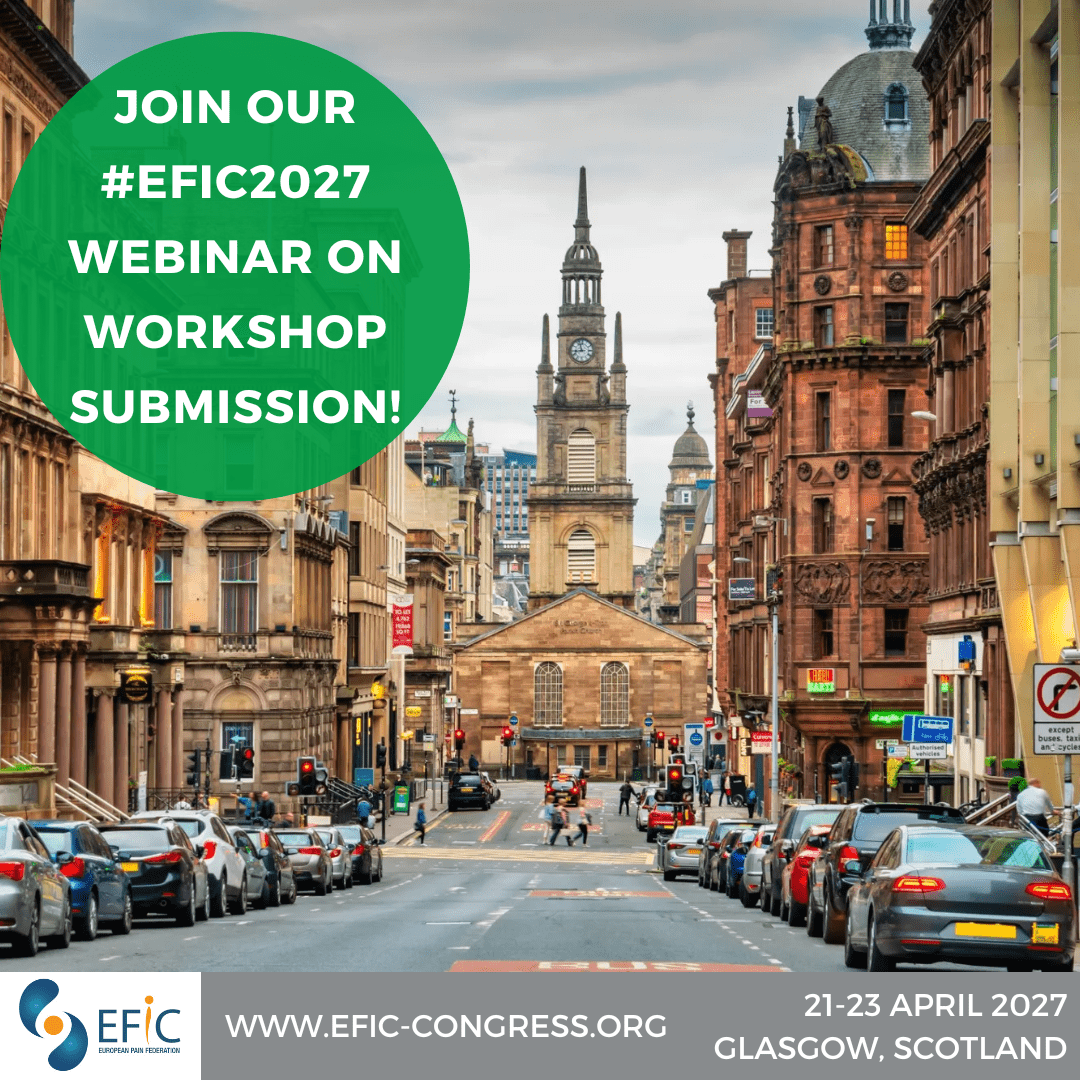
Planning to propose a workshop for #EFIC2027 in Glasgow? This practical webinar on 12 May 2026 at 12.30-13.30 CEST will guide prospective organisers through the full workshop submission process: From defining learning objectives and structuring interactive formats to selecting faculty and aligning proposals with the congress scientific priorities. EFIC experts will share evaluation criteria, common pitfalls to avoid, and insider tips to strengthen your application and maximise your chances of acceptance.
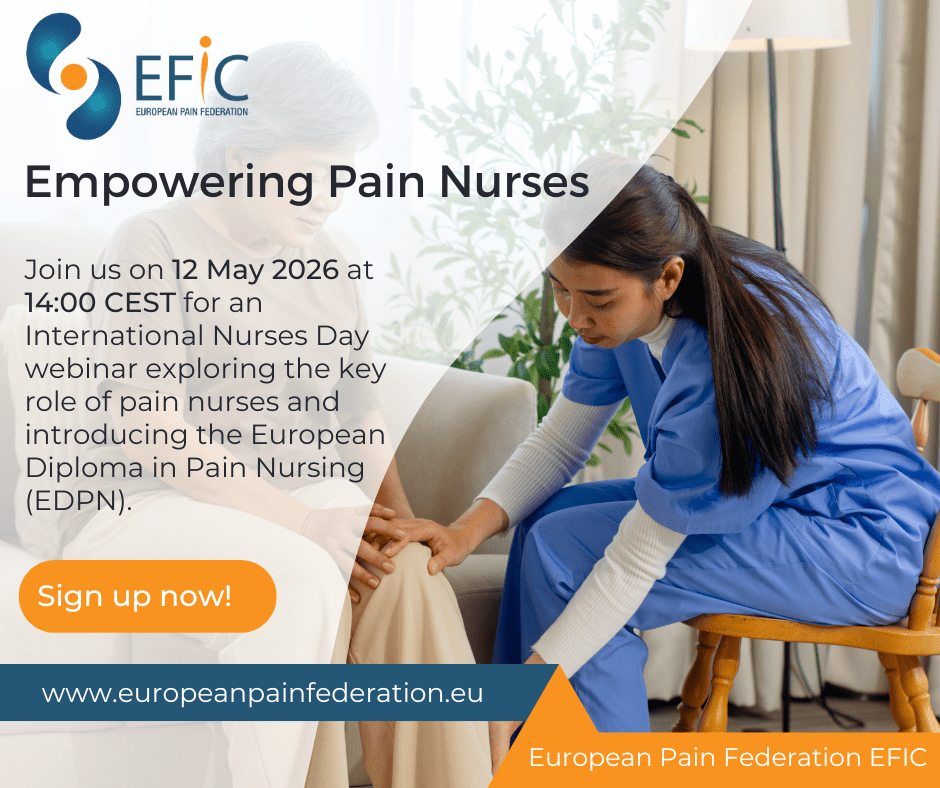
To celebrate International Nurses Day, EFIC invites pain nurses to a special webinar highlighting the vital role of nursing expertise in improving pain care. Pain nurses play a key role in assessing, managing, and advocating for people living with pain. As pain medicine continues to evolve, specialised knowledge and professional development are essential to strengthen the role of nurses within multidisciplinary care teams. This webinar will explore the evolving role of pain nurses in modern healthcare and introduce the European Diploma in Pain Nursing (EDPN), a certification designed to recognise expertise and support professional development in pain management. Join us to hear expert insights and learn how the EDPN can support your professional journey in pain care.
Opioid use in chronic pain remains a complex clinical challenge. This webinar explores the transition from appropriate prescribing to potential misuse, highlighting key biopsychosocial risk factors and patient trajectories. Drawing on recent European Journal of Pain research, experts will discuss how to identify high-risk patients, recognise early warning signs, and integrate multidisciplinary strategies to optimise care and minimise harm in everyday clinical practice.

Submitting an abstract to #EFIC2027? Join this focused session on 8 June 2026 from 15.30-16.30 CEST for a step-by-step walkthrough of the abstract submission process, including formatting requirements, scoring criteria, and what reviewers look for in high-quality scientific contributions. The webinar will also cover how to clearly communicate your research findings, choose the right category, and avoid frequent mistakes, helping you submit a competitive and compelling abstract.
Musculoskeletal pain often begins early in life and can evolve into a complex, persistent condition. This webinar brings together recent European Journal of Pain research to explore the trajectory of MSK pain from adolescence to adulthood, highlighting the role of comorbidities such as sleep disturbances. Experts will discuss early identification, risk factors, and holistic management approaches to improve long-term outcomes in clinical practice.
Watch Webinars on Demand
Our webinars feature Q&As, presentations and much more information on important and current matters of pain research and science as well as main activities and projects of the European Pain Federation EFIC. Please note: Some may for EFIC Academy members only and require access to the EFIC Academy Education Platform.
As part of Endometriosis Awareness Month, this EFIC webinar brings together authors of two recent European Journal of Pain studies to explore emerging insights into the mechanisms of endometriosis-associated pain. Despite its high prevalence, pain in endometriosis remains complex, heterogeneous, and challenging to assess and manage. The session highlights new evidence on sensory profiles, quantitative sensory testing, and bodily–emotional pain mapping in people with endometriosis, offering a deeper understanding of peripheral and central pain mechanisms beyond lesion-based explanations.
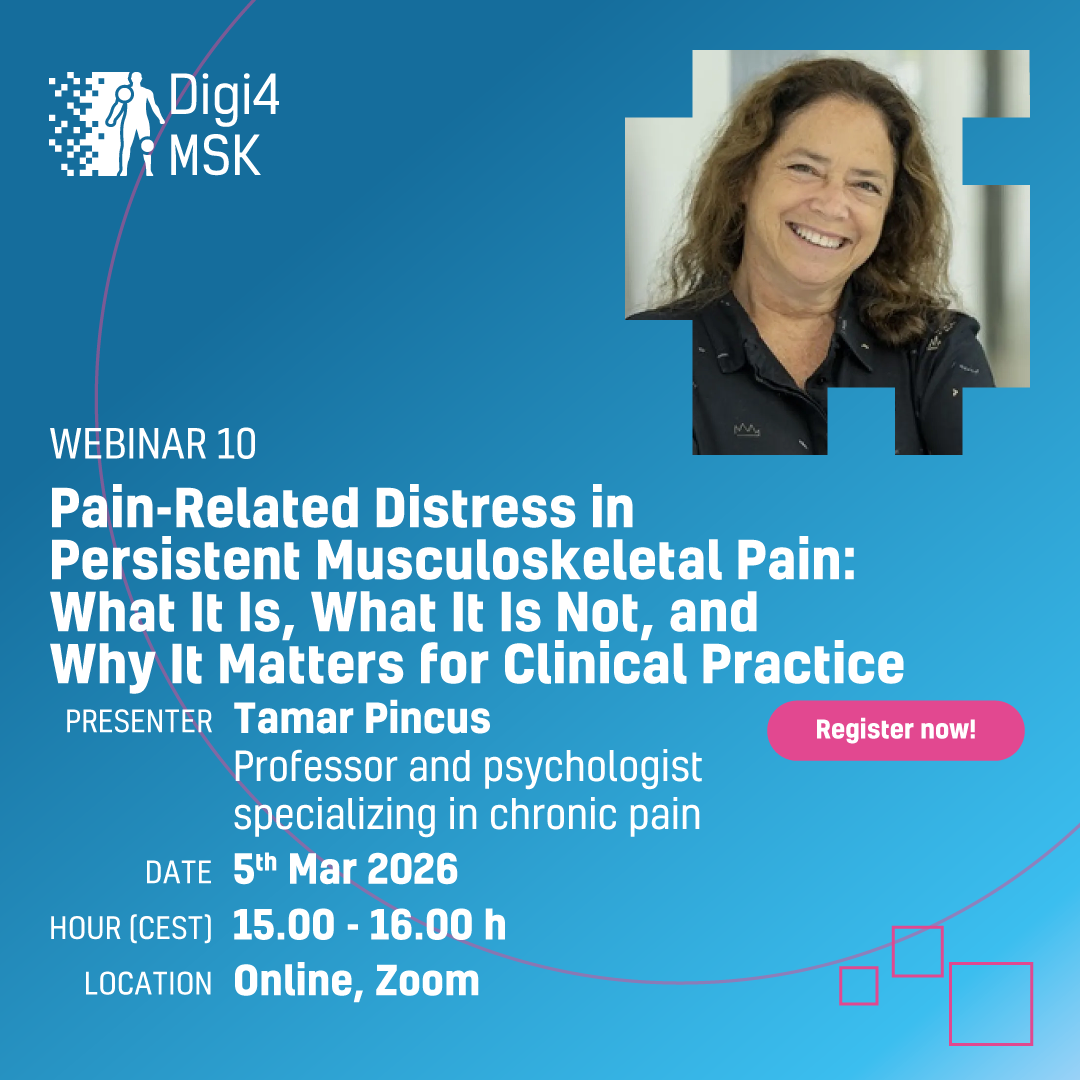
As part of the DIGI4MSK webinar series, this session focused on pain-related distress in people living with persistent musculoskeletal (MSK) pain—what it is, what it is not, and how clinicians can recognise it in everyday practice. We were pleased to welcome Professor Tamar Pincus, psychologist and leading expert in chronic pain. Drawing on research evidence, she explored how pain-related distress differs from other psychological constructs, why it matters for short- and long-term outcomes, and how clinician–patient communication plays a central role.
This webinar offers early-career researchers an inside look at how grant proposals are evaluated and what makes an application stand out. Participants will learn how to structure a compelling proposal, clearly communicate impact, and avoid the most common pitfalls seen by reviewers. Featuring insights from EFIC Grants and Prizes Working Group Chair Thomas Graven-Nielsen and past EFIC-Grünenthal Grant (E-G-G) winners, the session provides practical tips, examples of strong proposals, and guidance on how to strengthen your own application for future funding opportunities.
This webinar bridges cultural science and clinical epidemiology to explore gender-linked pain beliefs from early development to adulthood. The first session reports on content analysis of children’s picture books showing how pain, injury, and prosocial responding are represented, including common gender stereotypes that could influence early pain socialisation. The second session examines generational epidemiological data on pain prevalence, stress, and mental well-being — showing comparable pain rates but differing psychosocial patterns with stress and well-being, especially in women.
This webinar combined a new experimental study comparing the effects of hypnosis, virtual reality (VR), and combined VR-hypnosis on pain perception with a systematic review of VR use for reducing in-hospital pain and anxiety.
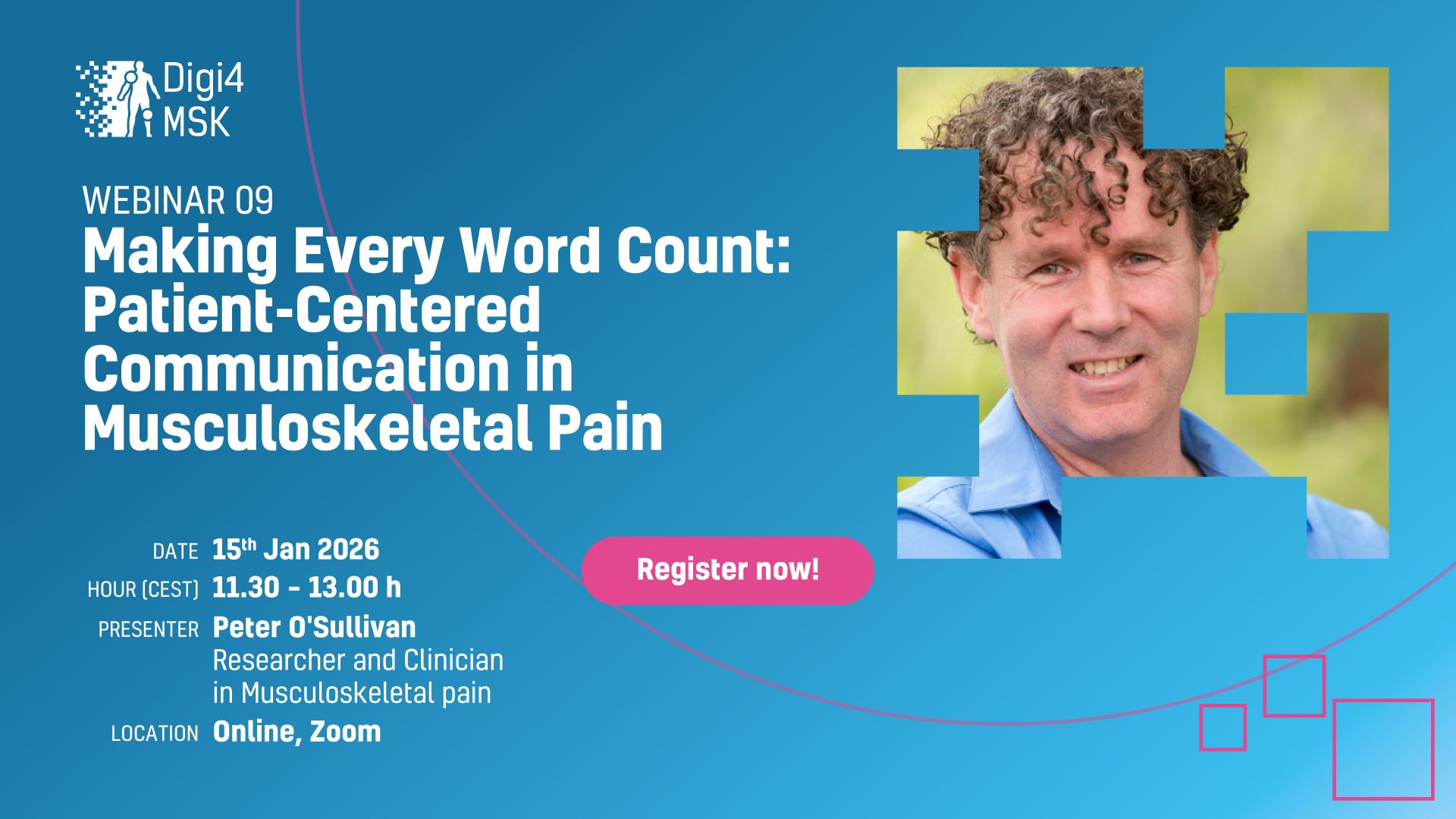
As part of the DIGI4MSK webinar series, this session focused on how healthcare professionals can use patient-centered communication to improve outcomes in musculoskeletal (MSK) pain care. In an era where patients are increasingly influenced by digital health information, effective communication and health literacy are more important than ever. We were pleased to welcome Professor Peter O’Sullivan (Curtin University), researcher and clinician in MSK pain and developer of Cognitive Functional Therapy. He shared evidence-based approaches and practical strategies to help HCPs make every word count in their patient interactions.