
Meet the #EFIC2027 Scientific Programme Committee
Chair
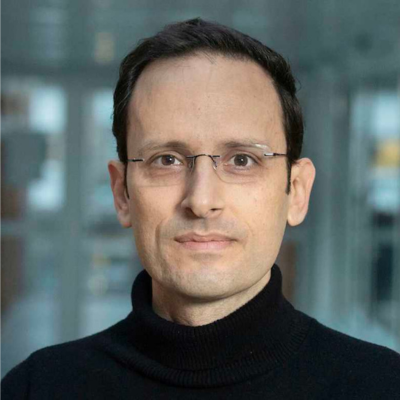
Daniel Ciampi de Andrade
Daniel Ciampi de Andrade, MD, PhD is a neurologist dedicated to research and teaching at the Center for Neuroplasticity and Pain, Department of Health Sciences and Technology, Aalborg University, Danmark, where he works as an associate professor. Daniel had worked with neuromodulation for pain relief for the last 15 years. He has more than 180 peer reviewed publications, has participated as speaker in International Neurology and Pain congresses and serves as section editor for the European Journal of Pain.
https://vbn.aau.dk/da/persons/dca
Watch this video with SPC Chair Daniel Ciampi de Andrade:
Committee Members
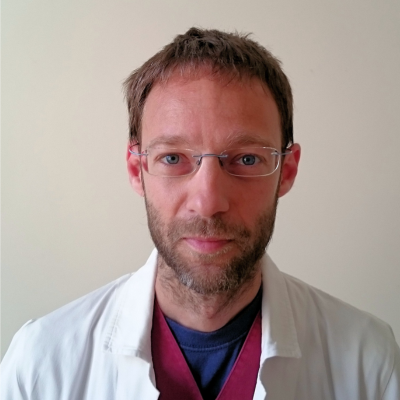
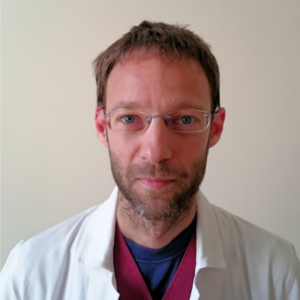
Andrea Truini
Andrea Truini is Professor of Neurology and Chair of the Clinical Neurophysiology Unit at the Sapienza University of Rome, Italy. He has extensive training in translational and clinical research on neuropathic pain conditions and painful neuropathies. His research team investigates chronic pain disorders, particularly trigeminal neuralgia, painful polyneuropathies, and fibromyalgia syndrome. The team’s primary focus is on elucidating the pathophysiological mechanisms underlying chronic pain through the use of multiple diagnostic and investigative approaches.


Bruno Pradier
I am a neurobiologist and obtained my PhD at the University of Bonn, Germany. As postdoctoral fellow I studied pain-relevant synaptic physiology in the brainstem and the spinal cord at Brown University, USA. At the University of Münster, Germany, I next joined an interdisciplinary team of researchers combining behavioral science and neuroimaging. Currently, my research focusses on the central processing of touch and pain.


Chelsea Hopkins
Doctor Chelsea Hopkins recently completed her postdoctoral research on bone pain in Professor Heegaard’s laboratory at the University of Copenhagen, soon to join Doctor Bell’s laboratory at the University of Glasgow. Having completed her MPhil at the Chinese University of Hong Kong, she moved to Copenhagen to complete her PhD, uncovering mechanisms of fibrous dysplasia bone pain within the Marie Skłodowska-Curie BonePainII network. After, she joined the a Eurostars Eureka Network investigating novel treatments of cancer-induced bone pain. She will join the Spinal Cord Group at the University of Glasgow to enrich her background in central processes. Doctor Hopkins also contributes to patient-partnered research strategies and translational medicine. She has also been chosen to join the EFIC Rising Star Programme to empower early-stage pain researchers.


Giulia Liberati
Giulia Liberati is an Associate Professor at the Institute of Neuroscience, Université catholique de Louvain (Brussels). She received her Master’s degree in Psychology from Sapienza University of Rome and completed her PhD at the Institute of Medical Psychology and Behavioral Neurobiology in Tübingen, where she worked on brain–computer interfaces for different patient populations. Over the past 13 years, her research has focused on understanding how pain emerges from human brain activity, particularly from ongoing oscillatory dynamics recorded using scalp and intracerebral electroencephalography. Her current work investigates how modulating brain oscillations through a variety of invasive and non-invasive neural stimulation techniques can influence pain perception.
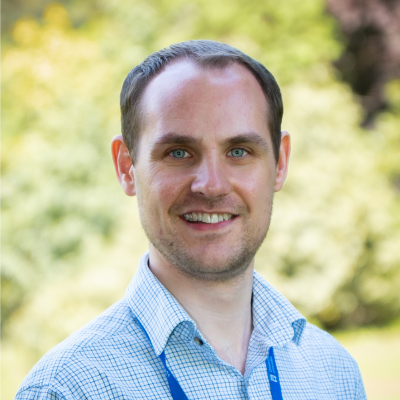

Harry Hebert
Harry Hebert is a Principal Investigator (Tenure Track) at the University of Dundee, specialising in chronic pain pharmacoepidemiology, with a particular focus on neuropathic pain. He holds a BSc(Hons) in Genetics from the University of Nottingham (2009), an MSc in Human Molecular Genetics from Imperial College London (2010), and a PhD in Genetic Epidemiology from the University of Manchester (2015). Following his doctoral studies, Harry worked as a postdoctoral researcher in the Chronic Pain Research Group under Professors Blair H Smith and Lesley Colvin at Dundee. Appointed to his current role in 2024, he is now a PI on the PAINSTORM Dundee study, funded by the Advanced Pain Discovery Platform (APDP), and conducts research into the impact of gabapentinoid reclassification in the UK and risk factors for mortality among individuals with chronic pain and substance use disorders. His career goal is to improve the lives of people living with chronic pain by leading research that influences clinical guidelines, policy, and practice.
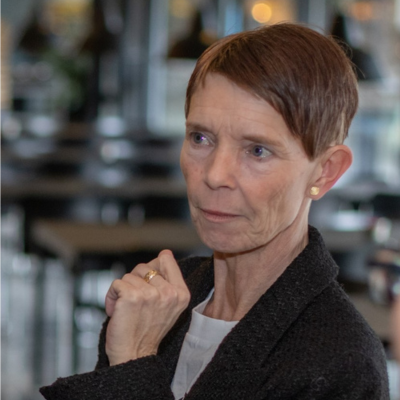
Iben Rohde
Iben Rohde is the Director of FAKS (Association of Chronic Pain Patients) in Denmark and a leading advocate for patient-centered innovation in pain care. With an MBA in Strategic Management and a background in international marketing, she combines organizational leadership with deep engagement in European pain policy and research. Iben serves on multiple national and international committees, including Pain Alliance Europe, and the Societal Impact of Pain initiative. She has led several high-impact projects funded by the Danish Ministry of Health, focusing on intimacy, digital health, and psychosocial support for pain patients. Her work emphasizes the biopsychosocial model and the integration of patient perspectives into clinical and research settings. As an SPC member, she brings a unique blend of strategic insight, advocacy experience, and commitment to inclusive, evidence-based pain care.


Jan Vollert
I am a chronic pain researcher from Germany, where I did my PhD in neurophysiology at the University of Heidelberg. After six years at Imperial College, I have joined the University of Exeter as a Lecturer in October 2023. My background is in data science and statistics, and I collaborate with clinicians across the UK and Europe to analyze multifaceted datasets searching for predictors of developing chronic pain (for example after surgery) and predicting response to treatment to enable personalized pain medicine.
If you can’t find me at my desk, I am likely to be hiking the coastal path or the Moors, scrambling mountain paths in Norway, or scuba diving in tropical waters with my trusty DSLM camera.
Jordi Miró
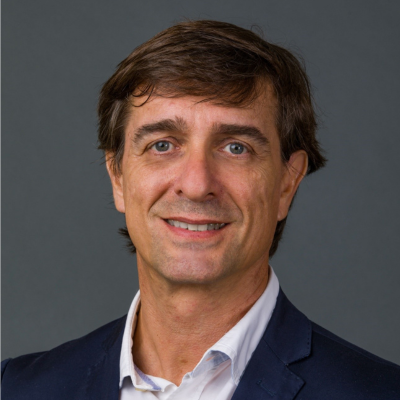
Jordi Miró is Professor of Health Psychology at Rovira i Virgili University (URV, Spain). He is the founder and Director of the Unit for the Study and Treatment of Pain and the Chair in Pediatric Pain of the URV, and Director of the Master’s Programme in General Health Psychology at the same university.
He serves as Principal Investigator of ALGOS, a consolidated research group in pain science supported by the Government of Catalonia. Jordi was the promoter and first coordinator of the Special Interest Group on Pediatric Pain of the Spanish Pain Society. He currently coordinates both the Spanish Research Network on Paediatric Pain (REDIN) and the International Network on Chronic Pain in Childhood (IN-ChildPain), funded respectively by the Spanish Ministry of Science and Innovation and the EU ERA-NET NEURON.
He led the development and presentation of the Declaration of Lima on Pain in Childhood (2022) and has authored more than 200 scientific publications.
Jordi served as a Councilor of the International Association for the Study of Pain (2018–2023) and currently acts as liaison to FEDELAT, the Federation of IASP Latin American Chapters.

Karin Jensen
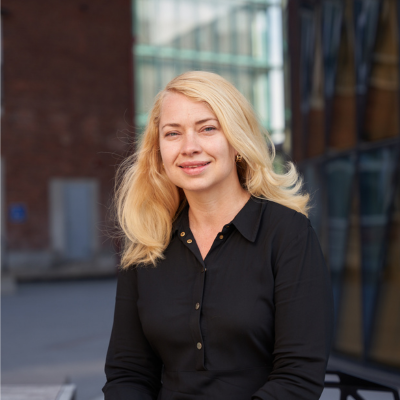
Jensen is a professor of cognitive neuroscience who is specializing in brain imaging of pain, long-term pain conditions and placebo effects. She leads an interdisciplinary research group at the Department of Clinical Neuroscience (CNS) at Karolinska Institutet. Jensen’s scientific goal is to understand the cognitive mechanisms and brain pathways involved in the generation and regulation of pain in humans.


Kirsty Bannister
Kirsty is an Associate Professor of Sensory Neurophysiology, Imperial College London. Her research team investigates the functionality of brain and spinal cord sensory circuits in health and chronic pain states as she translates mechanisms of nociception and pain in animals and humans. Kirsty was awarded the Patrick D. Wall prize from the International Association for the Study of Pain and British Pain Society in 2022 and 2023 respectively. Kirsty is the Chair for the 2026 World Congress on Pain Scientific Programme Committee and she performs editorial roles for journals including Pain, Pain Reports and European Journal of Pain.


Lance McCracken
Lance M McCracken is Professor and Head of Division in Clinical Psychology, Psychology Department, Uppsala University, Sweden, since 2018. He completed his PhD at West Virginia University and a post doctoral fellowship at Johns Hopkins. During his PhD and post doc he produced several of the early studies of the fear-avoidance model of chronic pain. He joined the departments Psychiatry and in Anesthesia and Critical Care at The University of Chicago from 1994 to 2000. During this time, he published the first study of chronic pain and psychological flexibility, the model underlying Acceptance and Commitment Therapy (ACT), in 1998. He was Clinical Lead at the Bath Center for Pain Services in the UK, beginning in 2000 until 2011. While in Bath he organized the first interdisciplinary pain management center focused on ACT as the working model. He left that post to take up a post as Professor of Behavioral Medicine at King’s College London in 2011 and was there until 2018. While at King’s he and his colleagues published the first UK-based study of an online version of ACT for chronic pain. He has more than 30 years of clinical and research experience in psychological and interdisciplinary approaches to chronic pain and other long-term health conditions, predominantly based in contextual behavioral science. He has over 350 scientific publications and is highly cited, over 37,000 times (h = 98).


Mary O’Keeffe
Dr Mary O’Keeffe is a physiotherapist and researcher at University College Dublin, Ireland, and the Research Project Officer at the European Pain Federation EFIC. Mary’s work focuses on musculoskeletal and chronic pain, particularly non-pharmacological treatments, patient communication, and personalised care. She has published more than 130 peer-reviewed papers in leading journals including The Lancet, JAMA, and The BMJ, with over 5,000 citations. Mary was recently awarded a European Research Council (ERC) Starting Grant for her PainSupportLink project, which will explore how social disadvantage contributes to musculoskeletal pain conditions—including back and arthritis pain—and develop new, personalised ways to support those most affected.
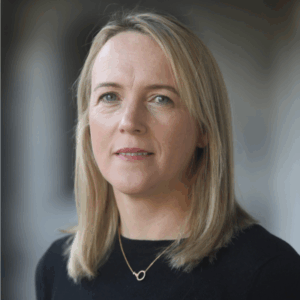
Michelle Roche
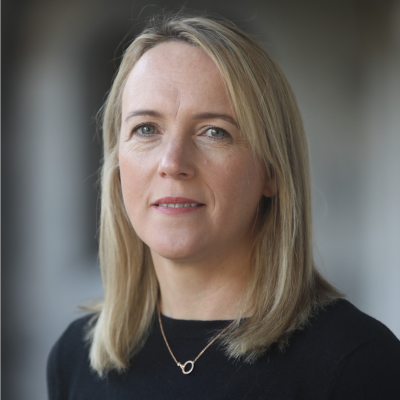
Dr Roche is an Associate Professor in Physiology and Co-Director of the Centre for Pain Research at the University of Galway. She is the EFIC councillor for Ireland and immediate-past President of the Irish Pain Society. Her research interests focus on enhancing understanding of the neurobiology and pathophysiology underlying pain, mood disorders, autism and their interactions. She has a particular interest sex differences and the role of the neuro-immune, endocannabinoid and opioid systems. Her research has resulted in over 80 research manuscripts, reviews and book chapters and has been presented at over 200 conferences. Her research is supported by EU, national and industry funding. Dr Roche has led and contributed to several international networking groups and educational programmes (PAINDIFF, PainNet, EU-SABV, ECNP ECR Workshops). She has been a member of scientific programme committees for several international conferences and editorial board member of Frontiers in Pain Research and Neuropharmacology.
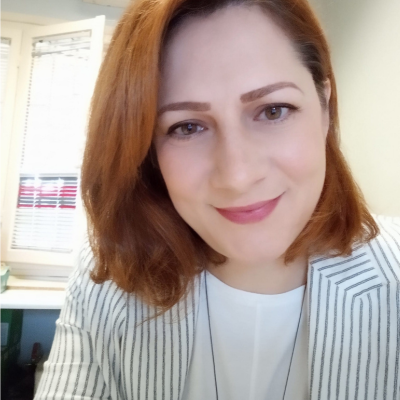
Nadia Mallou
Nadia Malliou is a Cognitive and Experimental Psychologist specializing in neuropsychological rehabilitation, chronic diseases, and chronic pain. She is currently pursuing a PhD focused on non-pharmacological interventions for chronic post-surgical pain. Her research interests also include the development of mHealth applications and evidence-based interventions for pain treatment. For the past several years, she has been engaged in clinical work supporting patients with chronic pain through Cognitive Behavioral Therapy (CBT) as an Associate at the Pain Unit of the General University Hospital AHEPA in Thessaloniki. Having lived with chronic pain for more than 20 years, she has firsthand experience of the challenges and inadequacies surrounding chronic pain treatment and management in Greece. Volunteering has been a defining aspect of her adult life, reflected in her continuous involvement with multiple patient organizations. Nadia is the President of Pain Alliance Europe, PAE and the Secretary of the Axial Spondyloarthritis International Federation, ASIF. She currently also serves as Vice President of both the Hellenic League Against Rheumatism, ELEANA, and the Greek Federation of Rare Diseases, EOS-SPANOPA. Her continued efforts are supporting patients living with chronic pain, AxSpA, RMDs and rare diseases as well as advocating on their behalf in multiple settings.
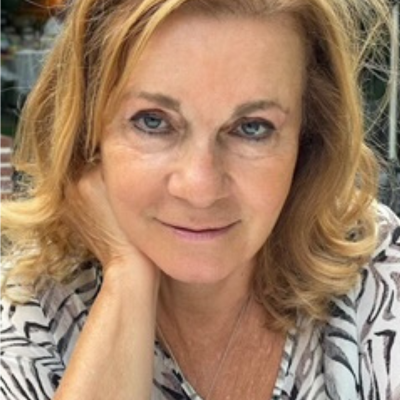
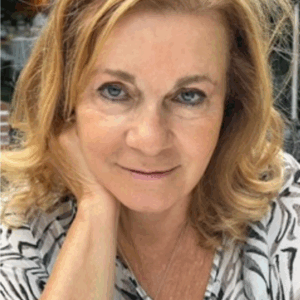
Nadine Attal
Nadine ATTAL, MD, PhD, is a Neurologist by training, Professor of Therapeutics and Pain Medicine and Director of the INSERM U 987 research Unit headed in Ambroise Paré hospital (Boulogne Billancourt, France). She has played a leading role in clinical pain research, including the development with Didier Bouhassira of widely used questionnaires for neuropathic pain, such as the DN4 and NPSI and the coordination of several therapeutic studies in neuropathic pain or fibromyalgia, and has chaired or co-chaired international guidelines on neuropathic pain. She has been invited to give several plenary lectures in international congresses including the IASP World Congress on Pain and International Congress on Neuropathic Pain. Pr Nadine Attal has published around 200 articles in high impact factors journals such as Lancet Neurol, BJA, Brain and Pain (H index: 79 on Google Scholar). She was granted knight (“chevalier de la légion d’honneur”) in 2016 and has received several prestigious scientific Prizes and awards.

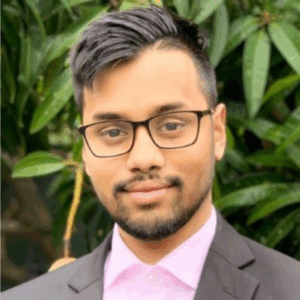
Nahian Chowdhury
Dr Nahian Chowdhury is a research fellow at Neuroscience Research Australia, Conjoint Lecturer at University of New South Wales (UNSW), Sydney, Australia and Head of Neurostimulation at the NeuroRecovery Research Hub, School of Psychology, UNSW. Dr Chowdhury’s work involves the use of non-invasive brain stimulation to understand the neural mechanisms for, and to treat pain. Dr Chowdhury is passionate about translating research into clinical practice, with the aim of finding brain biomarkers for pain that will be used diagnostically or be used as targets for therapies such as repetitive brain stimulation.


Páll Karlsson
Páll Karlsson, PhD, DMSc is an Associate Professor at the Danish Pain Research Center, Aarhus University, Denmark. Páll earned his bachelor’s degree in molecular biology from the University of Iceland and a master’s degree in molecular biology from Aarhus University. He completed his PhD in 2013 and DMSc in 2024 at Aarhus University's Department of Clinical Medicine.
Karlsson leads the Molecular Mechanisms group at the Pain Research Center. His research focuses on the structure and function of small nerve fibers, aiming to understand why some patients with neuropathies develop neuropathic pain while others do not. Adopting a translational approach, he combines advanced molecular analysis of human tissue with clinical phenotyping, linking molecular findings to patient symptoms and outcomes.
Outside of work, Páll enjoys life in the countryside near Aarhus with his wife, two daughters, and three mischievous pets: Lucky and Hope, the family cats, and Hugo, their spirited dog.
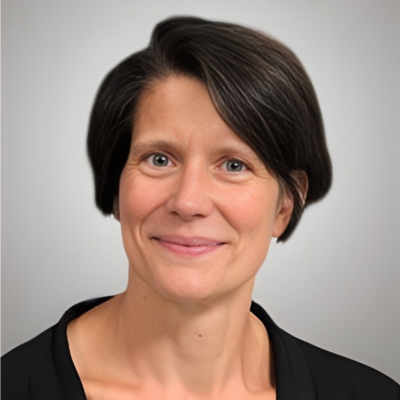
Petra Schweinhardt
Prof Dr. med Petra Schweinhardt, PhD M Chiro Med Petra Schweinhardt is the Head of the Department of Chiropractic Medicine at the Balgrist University Hospital and Professor of Chiropractic Medicine at the University of Zurich (UZH). Her clinical research is focused on outcomes in patients with musculoskeletal pain and potential predictors of treatment outcome. In her experimental work, Dr. Schweinhardt investigates how sensitization in the central nervous system contributes to musculoskeletal pain. Methods she uses include psychophysics, kinematic modeling, brain and soon spinal cord imaging. Before moving to Switzerland, Dr. Schweinhardt held an Associate Professorship and a Canada Research Chair Tier II at McGill University in Montreal, Canada, where her research was centered on cerebral pain processing and modulation as well as brain alterations in chronic pain patients. Dr. Schweinhardt earned her medical degree at Ruprecht-Karls University in Heidelberg, Germany and a PhD in the Neurosciences at the University of Oxford, England.
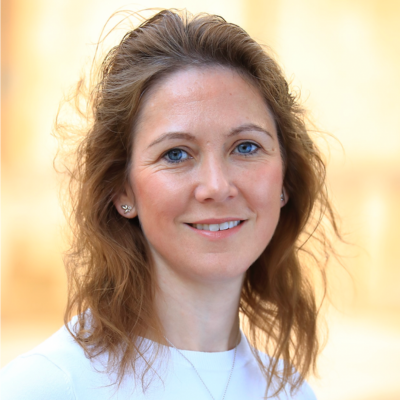
Rebecca Slater
Rebeccah Slater is Professor of Paediatric Neuroimaging at the University of Oxford and Associate Head of Department for Research Strategy. She is also a Professorial Fellow at St John's College. Rebeccah studied Physics (BSc) at Imperial College and Neuroscience (MSc) at UCL, and in 2007 was awarded her PhD (UCL). Since 2013 she has led the Paediatric Neuroimaging Research Group, which focuses on understanding the mechanisms that underlie the development of pain perception in the human infant. She uses a range of non-invasive brain imaging tools, including EEG and fMRI, to explore the development of pain perception in the human nervous system.


Sigridur Zoëga
Sigridur Zoëga is a Clinical Nurse Specialist and Head Nurse of Pain Services at Landspítali – The National University Hospital of Iceland, and an Associate Professor at the Faculty of Nursing and Midwifery, University of Iceland. Sigridur currently serves as President of the Icelandic Pain Association and is a board member a former President of the Scandinavian Association for the Study of Pain (SASP).
Her research focuses on pain and symptom assessment, with emphasis on improving the quality of care, and outcomes of patients with complex pain conditions. Sigridur has extensive teaching experience in pain management and advanced practice nursing and has contributed to the education and development of graduate-level nursing programs. Her scholarly work integrates clinical practice and research, with a focus on advancing evidence-based pain management and strengthening interdisciplinary care models.
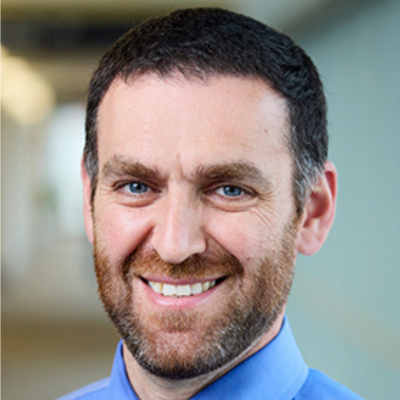
Simon Haroutounian
Dr. Simon Haroutounian is a Professor of Anesthesiology, and the Chief of Division of Clinical and Translational Research in the Department of Anesthesiology at Washington University School of Medicine in St Louis, Missouri, USA. As a clinical pharmacist, he helps patients with chronic pain optimize their medications.
Dr. Haroutounian has obtained his B.Sc.Pharm, M.Sc in Clinical Pharmacy, and his PhD degrees from The Hebrew University of Jerusalem. He completed a Fulbright doctoral fellowship in pain outcomes research at the University of Utah, and a post-doctoral fellowship in clinical pain research at the Danish Pain Research Center in Aarhus University Hospital in Denmark.
His laboratory at Washington University is focused on investigating clinically relevant pain mechanisms, and developing personalized approaches for prevention and treatment of chronic neuropathic pain.


Tony Pickering
Tony is a practicing anaesthetist, pain clinician and neuroscientist. He leads the Anaesthesia, Pain and Critical Care research group at The University of Bristol. His research investigates the brainstem and spinal cord organisation of mission-critical control circuits regulating key sensory and autonomic functions. His team uses genetic circuit manipulation approaches to define the operating principles of these systems and seeks to apply this knowledge in human experimental medicine investigations and clinical trials.
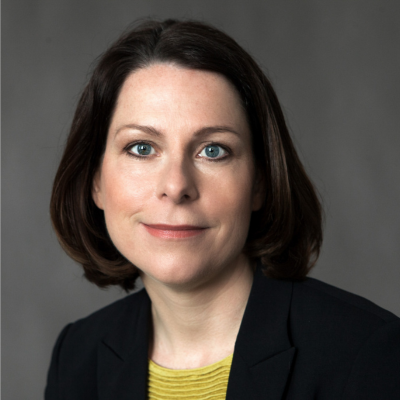
Ulrike Bingel
Ulrike Bingel, a neurologist and Professor of Clinical Neuroscience heads the Interdisciplinary Center for Pain Medicine and Translational Pain Research at University Medicine Essen. Her interdisciplinary research group focuses on the interactions between pain and cognition. Her research addresses the CNS mechanisms underlying nociception, pain, and pain modulation in health and disease using scientific methods that range from pharmacological MRI to clinical studies. Translation to treatment inspires her work on placebo and nocebo effects and their contribution to health and treatment outcomes. As IASP Council, speaker of the collaborative research center “Treatment Expectations“, funded by the German Research Foundation, and Vice Dean for Research at the Medical Faculty, she is dedicated to fostering national and international collaboration, building support structures for the next generation of scientists, and communicating scientific knowledge to patients and the public.