
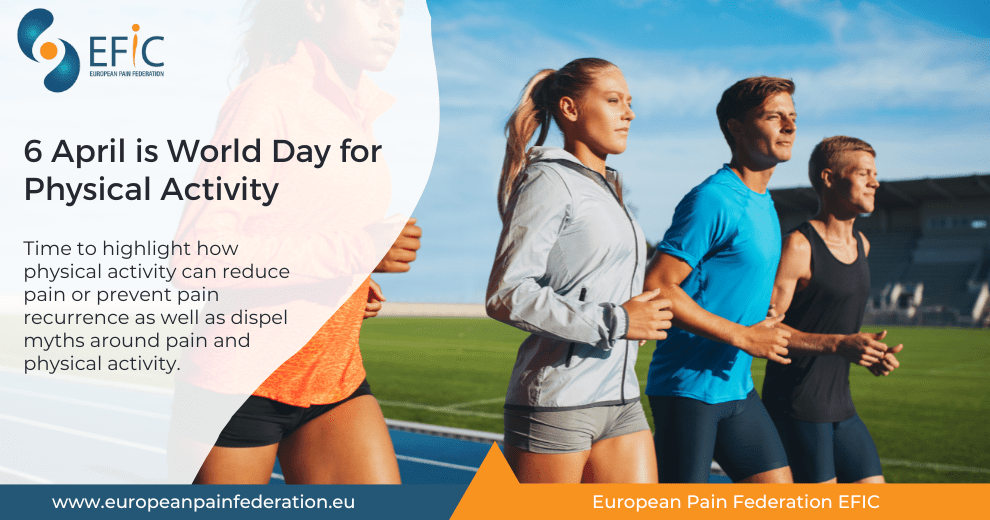
The World Day of Physical Activity is an annual observance held on 6 April, which aims to promote physical activity and its importance for a healthy lifestyle. The day was established in 2002 by the World Health Organization (WHO) to raise awareness about the benefits of physical activity for overall health and to encourage people to adopt more active lifestyles.
Physical activity is defined as “any bodily movement produced by skeletal muscles that requires energy expenditure” and is important to improve and maintain general health. Physical activity is central to many forms of pain management. Most guidelines for acute musculoskeletal pain focus on advice to increase physical activity. For persistent musculoskeletal pain, most effective treatments have physical activity at their core, either where it is the dominant component (eg, aerobic exercise) or where there is greater use of psychological principles (eg, graded exposure).
Several biological mechanisms may be responsible for how physical activity can reduce pain or prevent pain recurrence. For example, routine physical activity can improve body composition (e.g., through reduced abdominal adiposity and improved weight control). It can improve one’s strength, flexibility, and aerobic fitness. It can reduce systemic inflammation (e.g reducing circulating inflammatory mediators such as C-reactive protein). It can improve psychological well-being (e.g., through reduced stress, anxiety, and depression) and sleep quality. It can also improve one’s pain self-efficacy (confidence in managing one’s pain) and beliefs about one’s body and its capability for movement. Many myths exist around physical activity and pain. It is common for people to believe that moving is dangerous when one is in pain, and they should wait for the pain to resolve before getting active. We need to dispel these myths and ensure people feel confident to return to physical activity.
For pain, no one type of physical activity is superior to another. For example, walking, cycling, yoga, etc have similar effects on pain and disability levels. The key factor is adherence – so picking an activity one enjoys is very important.
While physical activity is widely recognised for reducing the risk of conditions such as cancer, cardiovascular disease, and diabetes, and for improving mental health, it is less well known that higher levels of physical activity are also associated with a lower risk of developing chronic pain. Chronic pain, defined as pain experienced on a daily basis for more than 12 weeks, affects between 12–30% of Europeans and represents a significant burden on individuals and economies, including through healthcare costs and lost productivity. Through EFIC On The Move, EFIC promotes awareness of the role of physical activity in preventing both primary and secondary pain, and calls on healthcare professionals to actively support and empower patients to remain physically active. The working group is currently also developing new resources focused on the benefits of walking in relation to pain. The European Pain Federation’s ‘On The Move’ campaign has extensive resources to help people participate in more exercise and physical activity. Explore it now!
Watch this webinar on Preventing Pain in Sedentary Workplaces, co-hosted with the Europe Region of World Physiotherapy,:
More resources: